
Nordic consumers are watching their spending, but still treating themselves. They’re embracing new cultural influences, rethinking how they shop and using technology they don’t entirely trust.
Confused? Don’t be. While some of these trends may seem contradictory at first, they fit into a wider pattern – and they reveal some fascinating opportunities for brands looking to connect with Nordic audiences. Read on below and let us guide you through everything you need to know, and what it means for your next steps.
1. Little Treat Culture: Small Luxuries, Big Opportunities
Nordic consumers are becoming increasingly careful with their money. But that doesn’t mean they’re giving up life’s little pleasures. Instead they are embracing what researchers refer to as little treat culture.
The idea is simple: when bigger purchases feel difficult to justify, smaller indulgences become an appealing way to brighten an ordinary day. Think a fancy coffee, an irresistible pastry, a new skincare product or dinner somewhere nice.
And this isn’t just a social media phenomenon. Capgemini’s global consumer trends research found that seven in ten consumers seek small indulgences to relieve financial worries. Meanwhile, YouGov’s 2026 research into Finnish shopping habits highlights how consumers continue to make room for small pleasures despite significant pressures on household budgets.
For brands, there’s an important lesson here: Being price-conscious doesn’t necessarily mean wanting the cheapest option.
If your marketing focuses exclusively on discounts and affordability, you may be addressing consumers’ financial concerns while overlooking their emotional motivations. Sometimes, the more persuasive message isn’t ‘save money.’ It’s ‘you deserve this,’ ‘make today a little better’ or ‘a small luxury worth splurging on.’
Of course, those messages won’t necessarily work equally well everywhere. An enthusiastic, emotionally charged campaign might feel perfectly natural in one market but overly sentimental in another. Danish humour, Swedish understatement and Finnish preferences for direct communication can all influence how a message is received.
That’s where localisation makes the difference. By understanding the emotional appeal of a product and adapting its presentation to local expectations, we help brands strike the right balance between indulgence, reassurance and value.
Because even the smallest of little treats still require the right wording to truly land.
2. The K-Factor: Nordic Consumers Are Looking East
For decades, Western Europe and North America dominated the cultural influences shaping Nordic consumer tastes.
But the world is changing. And increasingly, inspiration is coming from Asia.
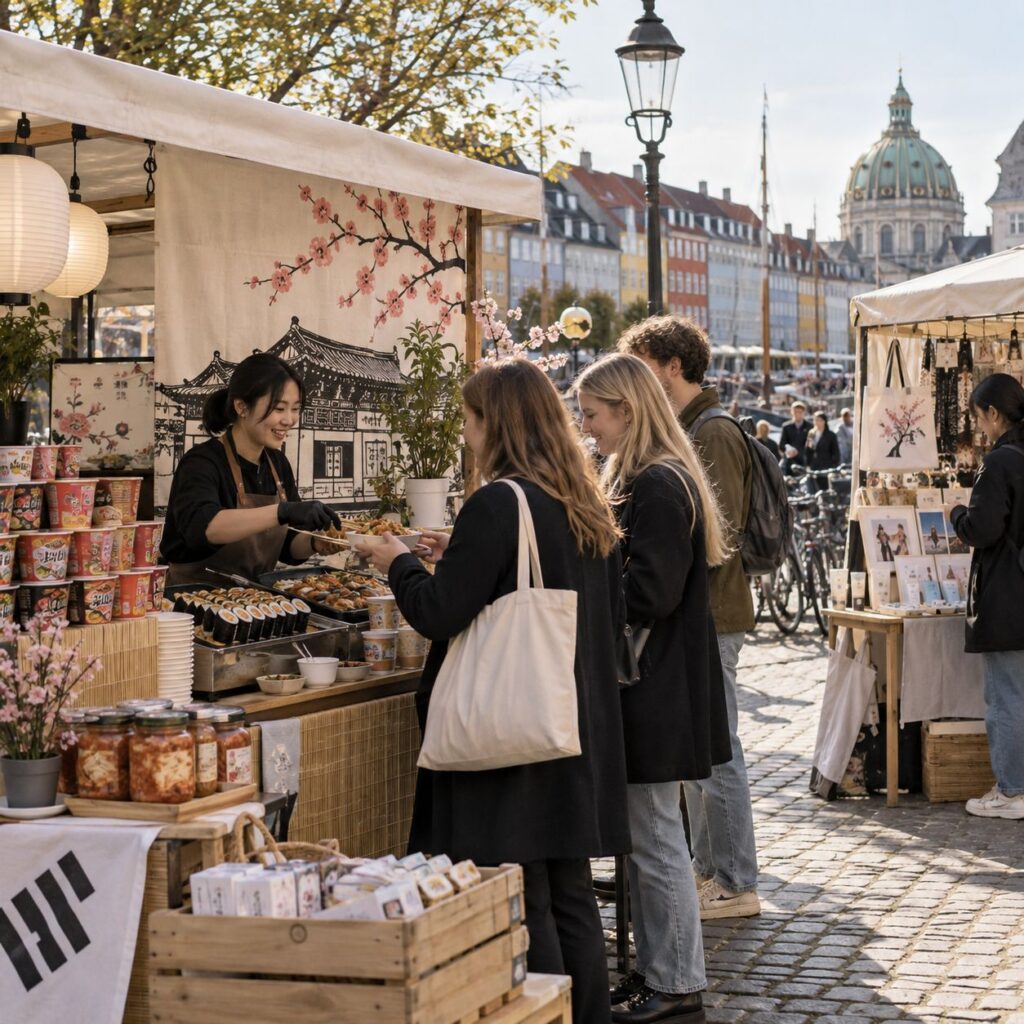
In its PULSE26 trend report, Dentsu Denmark identifies the K-factor as a major influence on Danish culture in 2026, reflecting the growing impact of South Korea and other Asian countries on everything from food and beauty to fashion, entertainment and design.
The figures speak for themselves. According to Dentsu, 41% of Danes tried new Asian dishes over the previous year, while 28% of 18–29-year-olds had already purchased K-beauty products.
K-pop, Korean dramas, kimchi and elaborate skincare routines are no longer confined to niche communities. They’re increasingly part of mainstream culture, particularly among younger consumers.
And this shift has implications that go well beyond the products people buy.
Cultural influences shape the imagery, language, humour and references that consumers recognise and respond to. They influence what feels contemporary, desirable and relevant.
For international brands, that means familiar assumptions about Nordic audiences may need updating.
A campaign built around traditional Scandinavian aesthetics might still work beautifully for some products. But assuming that all Nordic consumers want a world of muted colours, clean lines and a generous helping of hygge is a limiting approach that, in today’s considerably more cosmopolitan world, may feel off base or even condescending.
Understanding a market means understanding where its culture is heading, not just where it has been.
At Comunica, we look beyond linguistic conventions to consider the cultural context surrounding a brand’s message. That might mean adapting visual concepts, rethinking references, reviewing tone of voice or developing entirely new content that reflects local interests.
It also means recognising that a trend gaining momentum in Denmark won’t necessarily have the same audience, reach or appeal in Norway, Sweden or Finland. The goal isn’t to jump on every passing trend. It’s to identify the ones that genuinely matter to your customers and find a natural place for your brand within them.
3. Second-Hand Is No Longer Second Best
With more clothes, brands and collections to choose from than ever before, you’d think expressing your personal style would be easy. Yet somehow, fast fashion has a habit of making everyone look rather similar.
Perhaps that’s one reason why younger Nordic consumers are increasingly embracing second-hand shopping.
According to PostNord’s Spring 2026 e-commerce report, 33% of Nordic consumers had purchased second-hand goods online during the previous month.
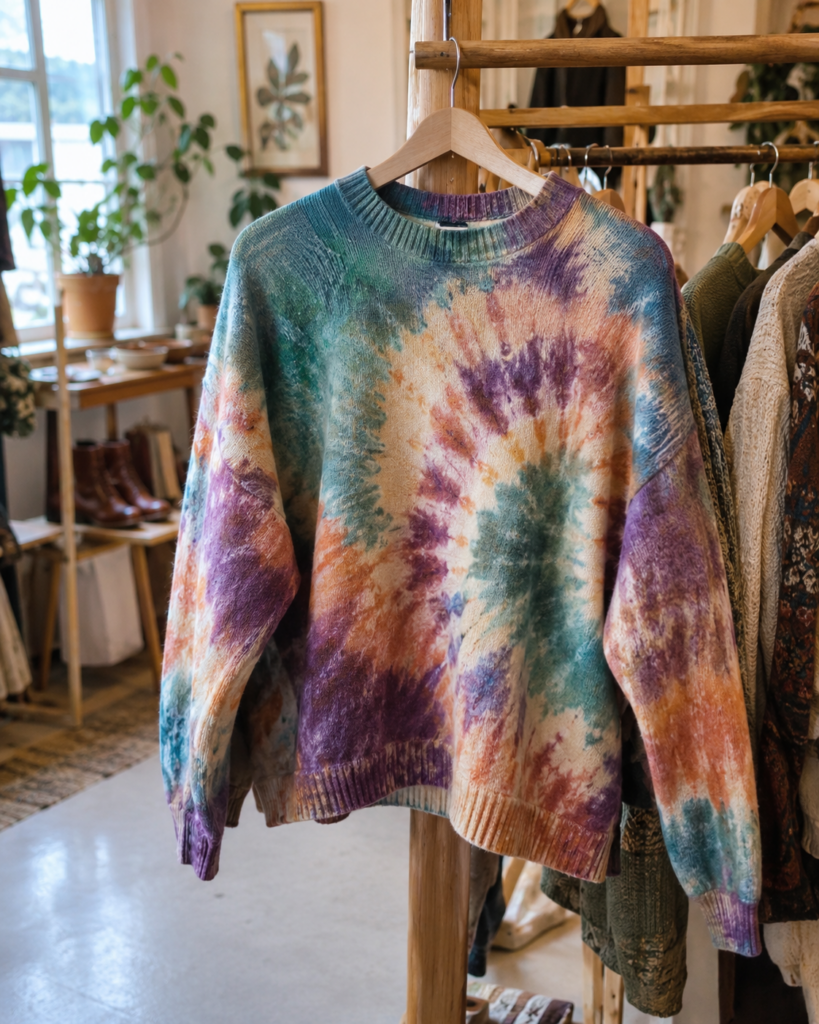
Price is a major motivation, of course. But there’s something else at play: the opportunity to stand out. A vintage jacket, a designer bargain or a quirky find that nobody else is likely to own. Second-hand shopping offers young consumers the chance to develop their own style without spending a fortune.
It’s not just about getting more for your money. It’s about finding something that feels uniquely yours.
And that’s an interesting insight for brands. While affordability and sustainability remain important, messages celebrating individuality, creativity and personal expression may strike an equally powerful chord.
Just because consumers care about sustainability doesn’t mean sustainability is always what makes them buy.
Imagine a fashion brand entering the Nordic markets with a collection made from recycled materials.
Should its messaging focus on environmental responsibility? The quality and durability of the garments? Their distinctive designs? Or the fact that they offer excellent value over time?
The answer depends on the audience, the product and the country.
A sustainability-focused campaign might resonate strongly with one group, while a message built around longevity, individuality or smart spending could prove more persuasive elsewhere.
At Comunica, these are exactly the kinds of distinctions we consider when adapting marketing content. We don’t just look for equivalent words in another language. We examine which benefits deserve emphasis, which claims need careful handling and which messages are most likely to connect with the intended audience.
The result is communication that feels relevant to local consumers rather than simply imported from somewhere else.
And in increasingly competitive markets, that relevance can make all the difference.
4. The AI Paradox: More Technology, Less Trust?
Artificial intelligence is becoming a normal part of everyday life across the Nordics. Consumers are experimenting with AI tools, businesses are automating processes and content is being produced faster than ever.
But there’s a rather significant catch.
People aren’t necessarily convinced they can trust what AI tells them.
A September 2026 study from Norwegian research company Opinion found that around six in ten Nordic respondents distrust AI-generated information.
In Norway, only 13% expressed trust in information produced by AI. Across the Nordic countries, between 75% and 84% of respondents were concerned about AI spreading misinformation.
Interestingly, Sweden stood out as the most active and positive Nordic market for AI usage, demonstrating that adoption and trust don’t necessarily go hand in hand.
What does this mean for international brands?
For one thing, producing content quickly and cheaply is not a good way to stand out. When audiences are surrounded by enormous volumes of automatically generated information, accuracy, authenticity and credibility become increasingly valuable.
That doesn’t mean brands should avoid AI. Far from it.
At Comunica, we’re enthusiastic about the opportunities AI creates for smarter, faster and more efficient localisation. But we also know that technology works best when combined with the right expertise and oversight.
An AI-generated translation might be grammatically correct but miss a subtle cultural reference. A marketing claim might sound convincing while being factually misleading. A campaign might be perfectly consistent across four languages yet feel equally unnatural in all of them. When you’re trying to establish trust in a new market, those details can be make-or-break.
When the Trends Change, Local Knowledge Matters.
So, what do little treats, Korean skincare, second-hand shopping and AI scepticism have in common?
More than you might think.
All four trends show that Nordic consumers are more complex than the familiar stereotypes suggest. They’re making careful financial decisions while seeking moments of enjoyment. They’re embracing international influences while maintaining distinctive local identities. And they’re adopting new technologies without abandoning their expectations of quality and trustworthiness.
For brands looking to succeed in the Nordics, there’s a clear takeaway:
Speaking the language is essential. Understanding the people is what makes the difference.
And that understanding requires more than a one-off market analysis or a translated website. Consumer expectations evolve, cultural references change and what worked beautifully last year may already be starting to feel outdated.
At Comunica, staying close to the Nordic markets is part of what we do. We combine native linguistic expertise, cultural knowledge and smart localisation solutions to help our clients understand their audiences, adapt their messages and build a presence that feels genuinely local.
From market-entry advice and content strategy to transcreation, multilingual SEO and ongoing localisation, we connect the dots between your brand and the people you want to reach.
Because entering a new market is one thing. Feeling like you belong there is quite another.
Ready to make your brand feel right at home in the Nordics? Let’s talk.