


Europe’s travel habits are changing. While the denizens of Southern Europe once used to stay put over the summer, soaring temperatures are pushing them to seek cooler climes in the hottest months. Travellers from the British Isles and Central Europe, meanwhile, are also looking for alternatives to the insufferable heat and the crowds that clog up the continent’s most popular destinations.
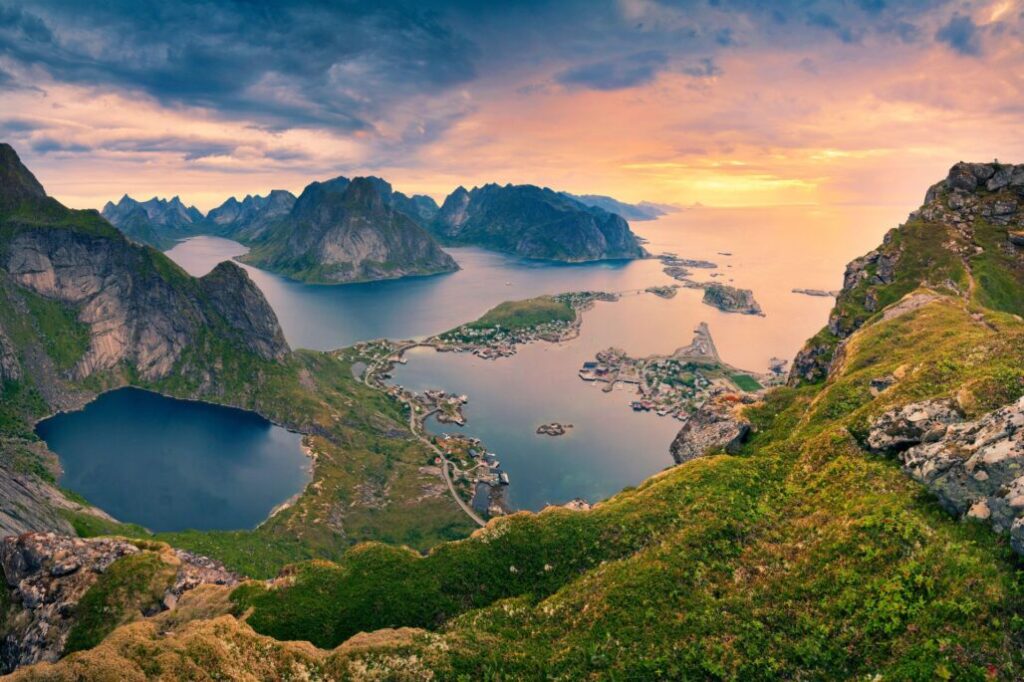
As one of the coolest zones in Europe, the Nordics are in prime position to benefit this trend – and they are benefiting. The statistics show that some Nordic operators have seen 100% growth in bookings from some segments, with Scandinavian airline SAS reporting a 20–25% increase in flight bookings for 2025. And perhaps that’s hardly surprising, given all that the region has to offer – from Midsommar festivities to the midnight sun, forests and fjords to charming towns and spectacular beaches that stretch for miles.
But there’s a problem, too. This trend is brand new, and the Nordics have competition – both from each other and from other regions like the Baltic countries and Slovenia, which can compete strongly on price. Canada, Scotland, Ireland and the Swiss Alps are all performing well, too, and the writing appears to be on the wall – if Nordic travel operators, tourism boards and destination-marketing organisations want to make the most of this new trend, they need to reach potential visitors with their message, and they need to do so in a way that resonates, lands and connects.
Read our tips below to learn more and get started.
What Are Coolcations?
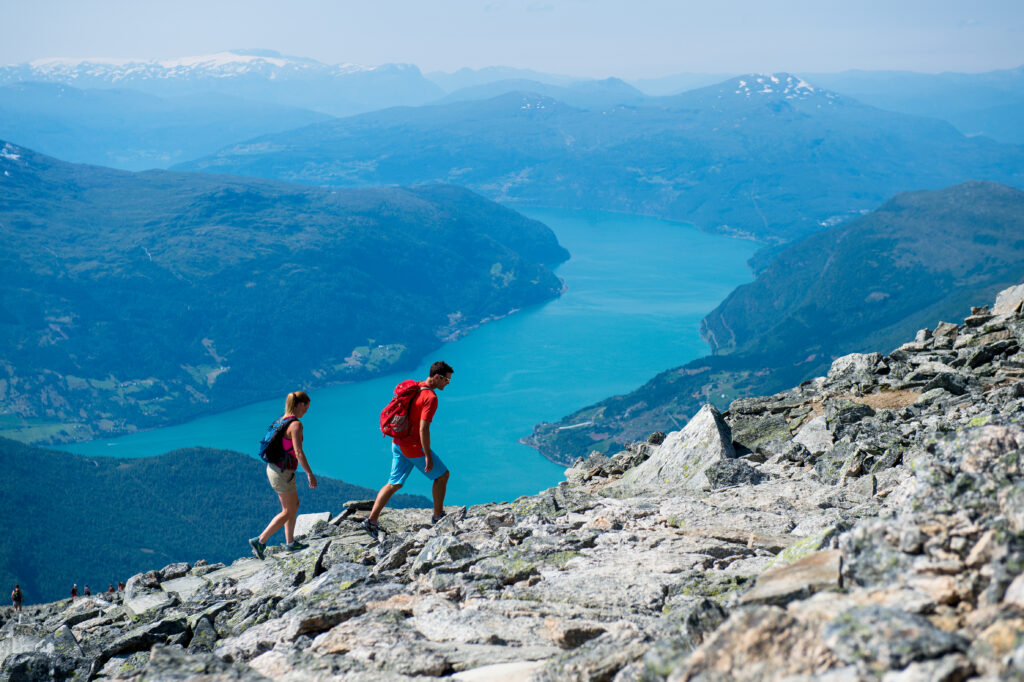
Let’s start with the obvious. What exactly is a colocation and what do we know about the trend? Well, simply put, colocations are holidays taken to cooler destinations as an alternative to the beaches of the Costa del Sol or the French Riviera. They are often focused on the outdoors, but can also be wellness or relaxation-centred, too. Think towering pine trees, ice creams by the lake, yoga on the beach, and bright evenings spent strolling down cobblestone streets.
Here’s how the trend is taking shape:
- Demand for hiking holidays is up, including group treks and expeditions
- Wellness, mindfulness and thermal tourism are all growing trends
- Eco-lodges meet demand for both cooler temperatures and sustainability
- Lakes are the new beach, especially when there’s a sauna involved
It therefore seems that the trend intersects with other shifts in the zeitgeist, such as the growing preference for solo-holidays and sustainable alternatives. With searches for ‘cooler holidays’ up 300% in 2023 and global temperatures only continuing to rise, it also seems like a trend that is only destined to grow, and a term we will all become more and more familiar with as time goes on.
How Do Travellers Discover Coolcation Destinations?
As you can see from the above, a colocation can be almost anything you want it to be. That’s exciting, but it’s also a challenge. It’s not difficult to find information on the kind of mainstream beach holiday in the Algarve that have traditionally defined summers for many – but where do you start when planning an escape to the forests of Sweden? There are thousands of possibilities out there – but no clear launching pad. No one-stop-shop that will help you plan the perfect colocation, completely tailored to your wishes, desires and wildest dreams.
As with most things these days, the quest for information begins with an online search. SEM campaigns, keywords and search-engine algorithms then do the rest, directing web users to that small number of providers lucky enough to make their way onto the first page of search results – the one page research shows us that people actually check. And it’s right here that many Nordic providers fail. Why? Because their websites are usually only in just one or two languages – most often the home language plus English.
The problem with that is this trend is being driven not just by English-speaking British and Irish travellers, but travellers from all over Europe – and increasingly from the hottest countries on the continent: Spain, Italy, France and Portugal.
Here’s some more data to show why that matters:
| Country | Percentage of population self-reporting as fluent in English |
| Spain | 22% |
| Portugal | 27% |
| France | 39% |
| Italy | 34% |
In other words – not only do many of the potential visitors with the highest intent not search in English, but they also don’t even speak it, and they certainly don’t feel confident reading it or using it to inform decisions. Content that is not in their native language will never end up on the top page of their search results and, if by some miracle it does, it won’t make any impact.
AI Queries
In today’s age, of course, search engines are not our only source of online information. Increasingly, web users begin their investigations with ChatGPT, Gemini, Co-pilot, Claude or another AI chatbot of choice. These models can pick up information in one language and present it in the user’s native language, based on a more specific request that reflects exactly what it is the user is hoping to find. But there are some things to keep in mind here:
- Demographics matter: Older web users continue to prefer traditional search engines, and they also typically spend more on their vacations.
- Websites need to be optimised for chatbots or they will lose out to their competitors. Simply offering the right thing still isn’t enough to get found, even in the new age of AI.
- Topical depth wins: Sites that specialise in a particular subject area and provide comprehensive content are more likely to be recognised as authoritative by AI.
Our Three-Step Guide to Coolcation Success
For tourism operators in the Nordics, it is clear that this trend presents many potential opportunities for growth and extra revenue. At the same time, there is also an informational chasm between travellers in Europe and the Nordic organisations that can provide them with crucial decision-making information or services such as accommodation, itineraries and organised tours.
At Comunica, we are experts in both the Nordics and the tourism sector, and we’ve been following this trend closely through our work with booking platforms, destinations and DMOs. What’s more, as Nordic natives ourselves, we feel passionately about helping Nordic businesses to make the most of the opportunities, and we have the formula for doing just that.
We recommend that you:
- Start with a web traffic data analysis. Who is already visiting your website, what do they do when they get there, and what do you know about their local UX? For example, if you get lots of visits from Spain but no bookings, that’s a clear sign that Spaniards are interested – but the experience on your website prevents them from getting any further.
- Optimise for both search-engines and AI chatbots. That means original keyword research in every language you offer, plus making sure you formulate your website in a way that’s chatbot-friendly. That means a clear structure, direct questions, FAQ sections and evidence of genuine expertise.
- Do not rely only on English – it’s not going to be enough. Once you’ve identified the markets you want to target, localise your website into the relevant languages. This will allow users to find relevant information and build trust in you as a provider or a destination, so that they can come further along in their customer journey and ultimately end up choosing you for their next colocation.
For more inspiration, check out our article on destination-marketing ideas.And when you’re ready to explore the opportunities, book a call with us and let’s discuss what we can do for you today.


